
Choosing the best time to visit Nafplio
The best time to visit Nafplio for walking is worth considering separately from a trip centred on the water. Our editorial preference for spring and autumn comes from the lower historical daytime maxima in the regional climate series. It is a planning judgement, rather than a promise of comfortable temperatures or a prediction for your dates. Your choice also needs to allow for the seasonal hours of the sites you want to enter.
For a city-focused stay, start with Palamidi, the old town and the waterfront. For a day built around the sea, give the boat programme its own place in your schedule. Plan sea conditions, swimming stops and water comfort separately from monthly air-temperature figures.
Spring and autumn for streets and fortresses
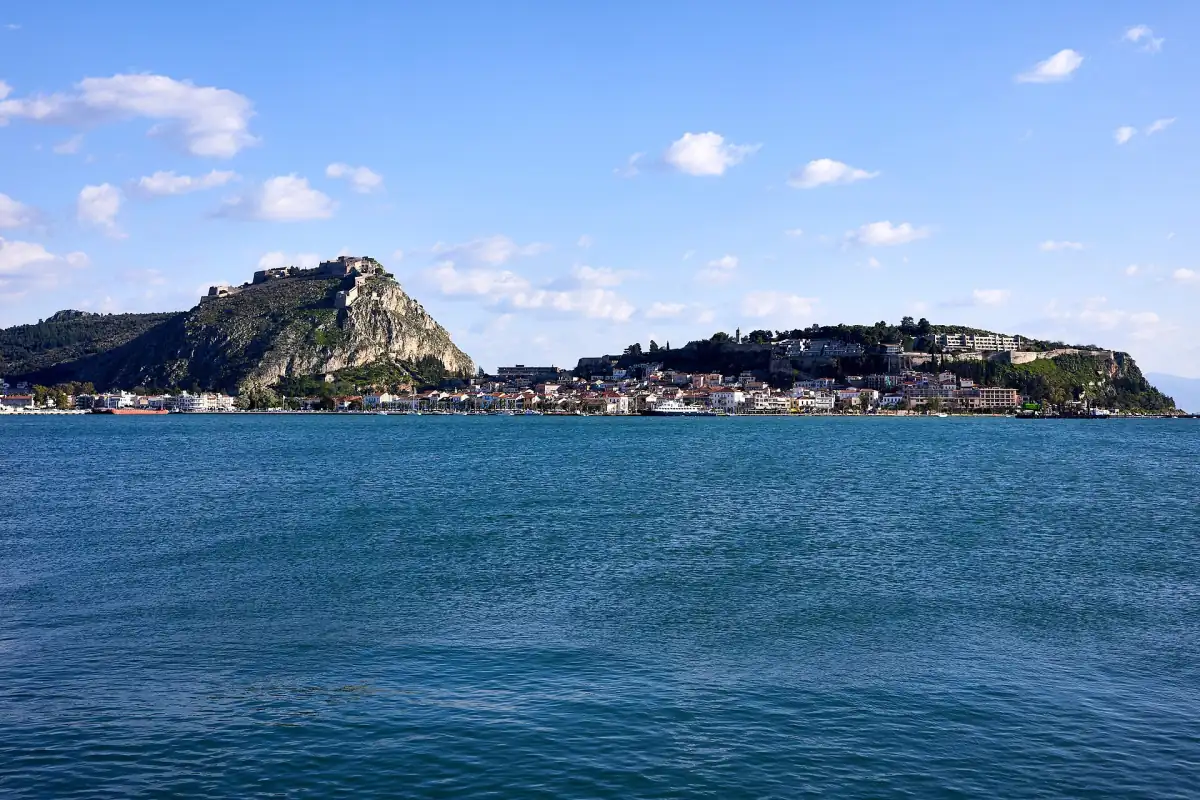
The historical Argos/Pyrgela series gives April a mean monthly maximum of 21.1°C and October 24.7°C. Those figures help explain our preference for these periods when climbing and sightseeing are the priorities. They are average daily maxima within their respective months, not a range of temperatures guaranteed on a particular walk.
Build your programme around the kind of visit you want. A historical walk through the lanes can be combined with time around Syntagma Square; a fortress visit involves a different amount of climbing and exposure. The walking tour guide explains the city formats. Keep flexibility for rain rather than filling every outdoor slot with a timed activity.
Our picks: A trip on the gulf
The semi-private catamaran trip offers a way to spend time on the gulf.
Hand-picked tours, booked through GetYourGuide. Prices are indicative starting prices in euros (as of October 2026). Tap a tour for live availability and the current price in your currency.
A catamaran day on the coast
A semi-private cruise with snacks, drinks and water-sports equipment is a coastal option to weigh against your season and sightseeing plans.
Nafplio weather: how to read the climate table
The table uses the station Argos/Pyrgela for 1980 to 2019, with EMY data reproduced in an environmental study published in May 2025. It is historical regional context, not a measurement series from Nafplio’s old town. The maximum and minimum columns are monthly mean maxima and minima; the rainfall column is in millimetres.
Use these numbers to compare the broad seasonal pattern. They do not provide a forecast for this year, a sea-temperature series or a count of hours of sunshine. An individual wet day can occur in a month with a low historical rainfall total. Look at a current forecast for your dates and keep the historical table for deciding the general shape of the trip.
| Month | Mean maximum °C | Mean minimum °C | Rainfall mm |
|---|---|---|---|
| January | 14.5 | 2.9 | 71.7 |
| February | 14.8 | 2.7 | 49.4 |
| March | 17.0 | 4.1 | 53.6 |
| April | 21.1 | 6.4 | 32.0 |
| May | 26.2 | 10.4 | 20.0 |
| June | 31.2 | 13.8 | 9.7 |
| July | 33.8 | 16.5 | 10.3 |
| August | 33.5 | 16.7 | 15.4 |
| September | 29.8 | 14.0 | 16.2 |
| October | 24.7 | 11.4 | 43.4 |
| November | 19.1 | 7.7 | 85.1 |
| December | 15.4 | 4.6 | 73.9 |
Summer heat and rain planning
July’s historical mean maximum is 33.8°C and August’s is 33.5°C. For Palamidi, carry water, sun protection, a hat and suitable footwear. The western staircase and the road to the eastern gate are different approaches. Choosing the road changes the approach to the fortress, but you should still plan the interior visit around your mobility needs.
The rainfall pattern is also relevant when choosing outdoor days. November records 85.1 mm in this historical series, while June records 9.7 mm. These are monthly totals rather than a daily schedule of rain. Keep city visits, archaeological stops and time on the water as separate decisions, so changing one activity does not mean abandoning the whole day.
Winter opening hours and shorter site visits
Palamidi and Mycenae follow a regular winter calendar from 1 November to 31 March, opening from 08:30 to 15:30 with last admission 20 minutes before closing. Put these visits earlier in your day and leave time for the site itself. Travel arrangements should fit the visit window, rather than treating the closing time as an arrival target.
The regular admission at each site is EUR 20, with EUR 10 for eligible reduced admission. Winter does not bring a general half-price ticket. Carry original identification and any required proof of entitlement. For archaeological plans outside the town, the Mycenae guide brings the site and ticket details together.
Beach weather and a coastal activity
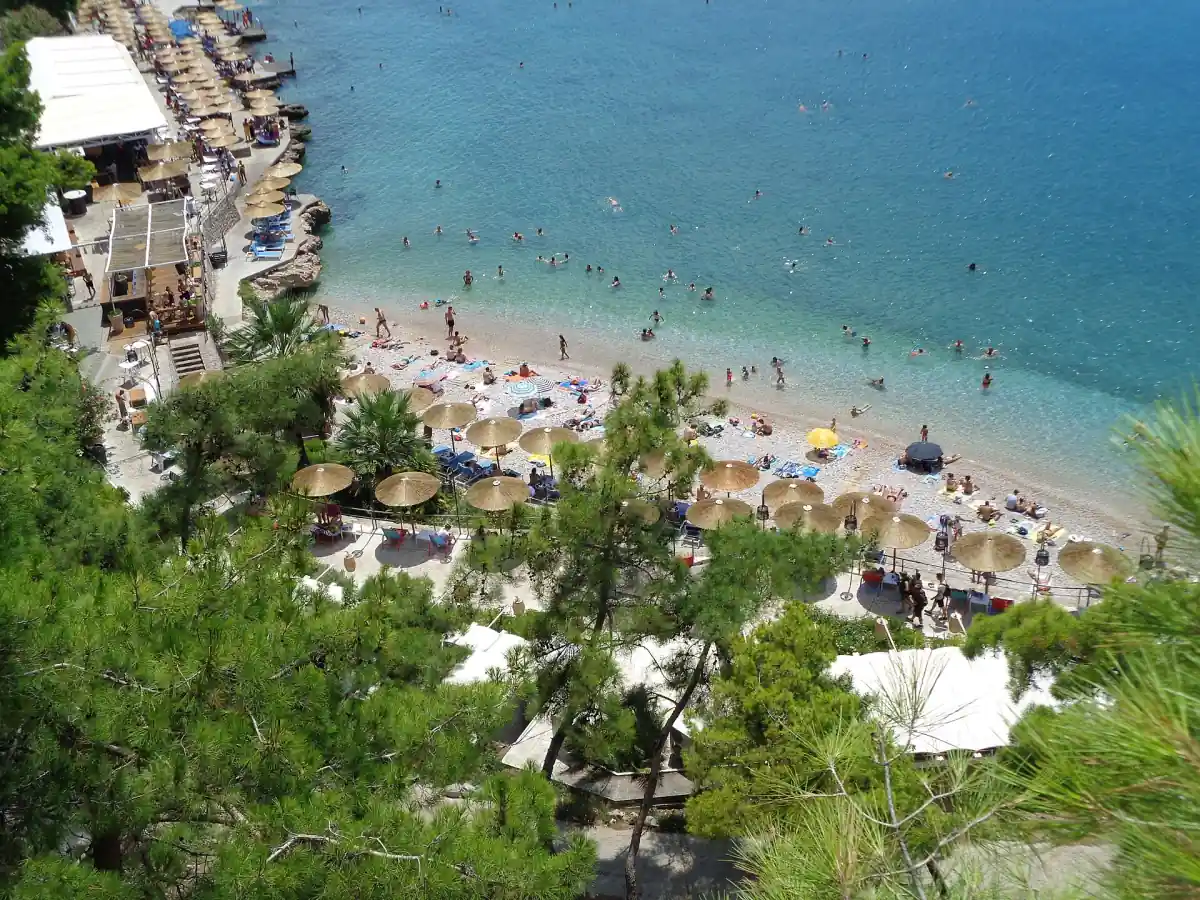
Arvanitia is a stony beach with steps, Karathona is sandy and reached by road, and Tolo has fine sand. The beach access, the cliffside Arvanitia circuit and the path towards Karathona are different routes. Follow local barriers and access instructions rather than treating a coastal walk as open because it appears in a general description.
The selected coastal activity is a semi-private catamaran cruise with crew, snacks, drinks, paddle boards and snorkelling equipment. Equipment helps describe the format; the actual sea programme belongs to the conditions of the day. Compare boat trips from Nafplio if time on the water is central to your stay. Neither the climate table nor the activity description establishes a fixed swimming season.
Frequently asked questions
Which season suits fortress walks?
Our editorial preference is spring or autumn, based on lower historical regional daytime maxima than in midsummer. Plan the actual day using current weather and site hours.
Is the climate table measured in Nafplio old town?
It represents Argos/Pyrgela from 1980 to 2019, reproduced from EMY data in a May 2025 study. It is regional historical context.
Can I visit Palamidi in winter?
Its regular calendar from 1 November to 31 March is 08:30 to 15:30, with last admission 20 minutes before closing. Allow for closures on designated dates and special instructions.